
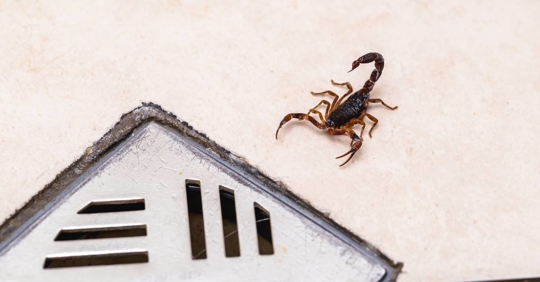
Living in the East Valley means enjoying beautiful desert landscapes, warm weather, and outdoor adventures. Unfortunately, it also means sharing your environment with scorpions. These nocturnal pests can find their way into your home without you even realizing it—until the population grows large enough to become a real concern. The good news is that scorpions leave clues about their presence, and catching these warning signs early can help you address the issue before it gets out of hand.
If you've spotted a scorpion or suspect you might have a problem, don't wait for the situation to worsen. Contact CAPE Pest Control by calling (480) 428-2720 or filling out our online contact form to schedule an inspection today.
Understanding Scorpion Behavior in the East Valley
Before you can spot the signs of a scorpion problem, it helps to understand a bit about how these creatures behave. Scorpions are most active during the warmer months, from March through October, though they can be present year-round in Arizona. They're nocturnal hunters that come out at night to search for food, which includes insects, spiders, and other small prey.
During the day, scorpions hide in cool, dark places to escape the desert heat. In natural settings, they tuck themselves under rocks, inside bark, or in crevices. Around your home, they look for similar hiding spots—and that's when they become your problem. Understanding this behavior explains why you might see certain signs of activity in specific areas of your house.
Spotting Live Scorpions Inside Your Home
The most obvious sign of a scorpion problem is seeing the scorpions themselves. If you've encountered one scorpion inside your home, there's a strong chance more are lurking nearby. Scorpions don't travel in groups, but if your property has conditions they find attractive, multiple scorpions will independently choose your home as their hunting ground.
You're most likely to spot scorpions at night when they're active. If you turn on lights suddenly in a dark room, you might catch one scurrying across the floor or climbing a wall. Common areas where homeowners find scorpions include:
- Bathrooms, especially near sinks, tubs, and toilets where they're drawn to moisture
- Kitchens, particularly around water sources and in cabinets
- Bedrooms, where they may climb into bedding or hide in closets
- Garages and laundry rooms, which often have more clutter and hiding places
One scorpion sighting might be a fluke, but two or more sightings within a short period suggest you have a developing problem that needs attention.
Increased Activity at Night
If you're noticing more movement or shadows in your peripheral vision when you walk through your home at night, scorpions could be the cause. These creatures are surprisingly fast when they want to be, and they'll quickly dart away from light sources or vibrations.
Pay attention to patterns in when and where you see this activity. Scorpions often follow the same paths through your home as they search for prey and water. If you consistently notice movement in the same hallway, bathroom, or room, that area likely provides easy access from the outside or harbors the insects that scorpions feed on.
Finding Scorpions in Unusual Places
Scorpions are excellent climbers with tiny pincers on their feet that allow them to scale rough surfaces, including walls and ceilings. Finding a scorpion somewhere unexpected—like on your bedroom ceiling or inside a shoe—indicates they're comfortable enough in your home to explore freely.
These discoveries are particularly concerning because they suggest scorpions have found multiple entry points and hiding spots throughout your house. A single scorpion that wandered in through an open door will likely stay near ground level and try to find its way back outside. Scorpions that have established themselves in your home will venture into cabinets, closets, storage boxes, and anywhere else that offers shelter during daylight hours.
Your Pets Are Acting Strangely
Dogs and cats often detect pest control issues before their owners do. If your pet is suddenly pawing at baseboards, staring intently at walls, or refusing to go into certain rooms, they might be picking up on scorpion activity.
Pets can sense the movement of scorpions behind walls or in hidden spaces. They can also smell the pests in ways humans cannot. While this behavior alone doesn't confirm a scorpion problem, it's worth investigating further—especially if your pet's unusual behavior coincides with other warning signs on this list.
Seeing Scorpions Outside Near Your Home
The area immediately surrounding your home serves as a staging ground for scorpions trying to get inside. If you're finding scorpions on your patio, near your foundation, or around exterior doors and windows, they're actively searching for entry points.
Check these outdoor areas after dark with a blacklight flashlight, which causes scorpions to glow bright blue-green. This technique can reveal just how many scorpions are present around your home's perimeter. A significant number of scorpions outside means some are almost certainly making their way inside, even if you haven't seen them indoors yet.
Discovering Gaps and Cracks in Your Home
Scorpions can squeeze through incredibly small openings—some species can fit through a crack as thin as a credit card. While gaps and cracks don't directly indicate scorpion presence, they're the highways these pests use to enter your home.
Inspect your home's exterior and interior for these common entry points:
- Gaps around doors and windows where weatherstripping has worn away
- Cracks in your home's foundation or exterior walls
- Openings where utility lines enter your house
- Spaces around vents, pipes, and electrical outlets
- Torn window screens or damaged door sweeps
Finding multiple potential entry points suggests your home is vulnerable to scorpion intrusion. If you're seeing other signs of scorpion activity along with these structural issues, the pests are likely using these pathways.
Increased Insect Activity in Your Home
Scorpions follow food sources, and their primary food is other insects. If you've noticed an uptick in crickets, roaches, spiders, or other bugs inside your home, you've created an appealing environment for scorpions. These predators will track their prey right into your living spaces.
This connection between insect populations and scorpion problems is why comprehensive pest management matters. Addressing the underlying insect issues removes the attraction that draws scorpions to your property in the first place.
What to Do If You Notice These Warning Signs
Recognizing early signs of a scorpion problem puts you in a position to act before the situation escalates. Start by reducing the factors that attract scorpions to your home. Remove debris, woodpiles, and clutter from around your foundation. Fix leaky faucets and eliminate standing water. Seal visible cracks and gaps with caulk or weatherstripping.
However, DIY measures have their limits when it comes to scorpion control. These resilient pests require targeted treatments and ongoing prevention strategies that address both the scorpions themselves and the conditions that support them. Professional pest control also includes treating the insects that scorpions feed on, creating a less hospitable environment overall.
Protect Your East Valley Home from Scorpions
If you've noticed any of these early warning signs, taking action now can help you avoid a more serious scorpion problem down the road. CAPE Pest Control specializes in scorpion control for East Valley and Maricopa County homes, with treatments designed specifically for Arizona's unique pest challenges. Our team can assess your property, identify vulnerabilities, and implement solutions tailored to your situation.
Don't let scorpions make you uncomfortable in your own home—reach out to us by calling (480) 428-2720 or through our online contact form to get started.